
Orthodontics & Root Canal Treatment
Relieving pain, treating infection, and preserving natural teeth with care and precision.
Root canal treatment is a common and effective procedure used to treat infection or inflammation within a tooth. Our approach focuses on comfort, accuracy, and long-term tooth preservation — helping relieve pain while protecting your natural smile.
“If you are currently in pain and need more tailored advice, please do not hesitate to contact us at the practice for more information on how we can best support you”
Root canal treatment is performed when the inner tissue of a tooth (the pulp) becomes infected or inflamed due to decay, trauma, cracks, or repeated dental procedures.
Rather than removing the tooth, root canal treatment allows us to:
Remove infection
Relieve discomfort
Preserve the natural tooth structure
Restore function and stability
When performed early, root canal treatment can prevent the need for losing your tooth.
Treating Infection, While Saving the Tooth
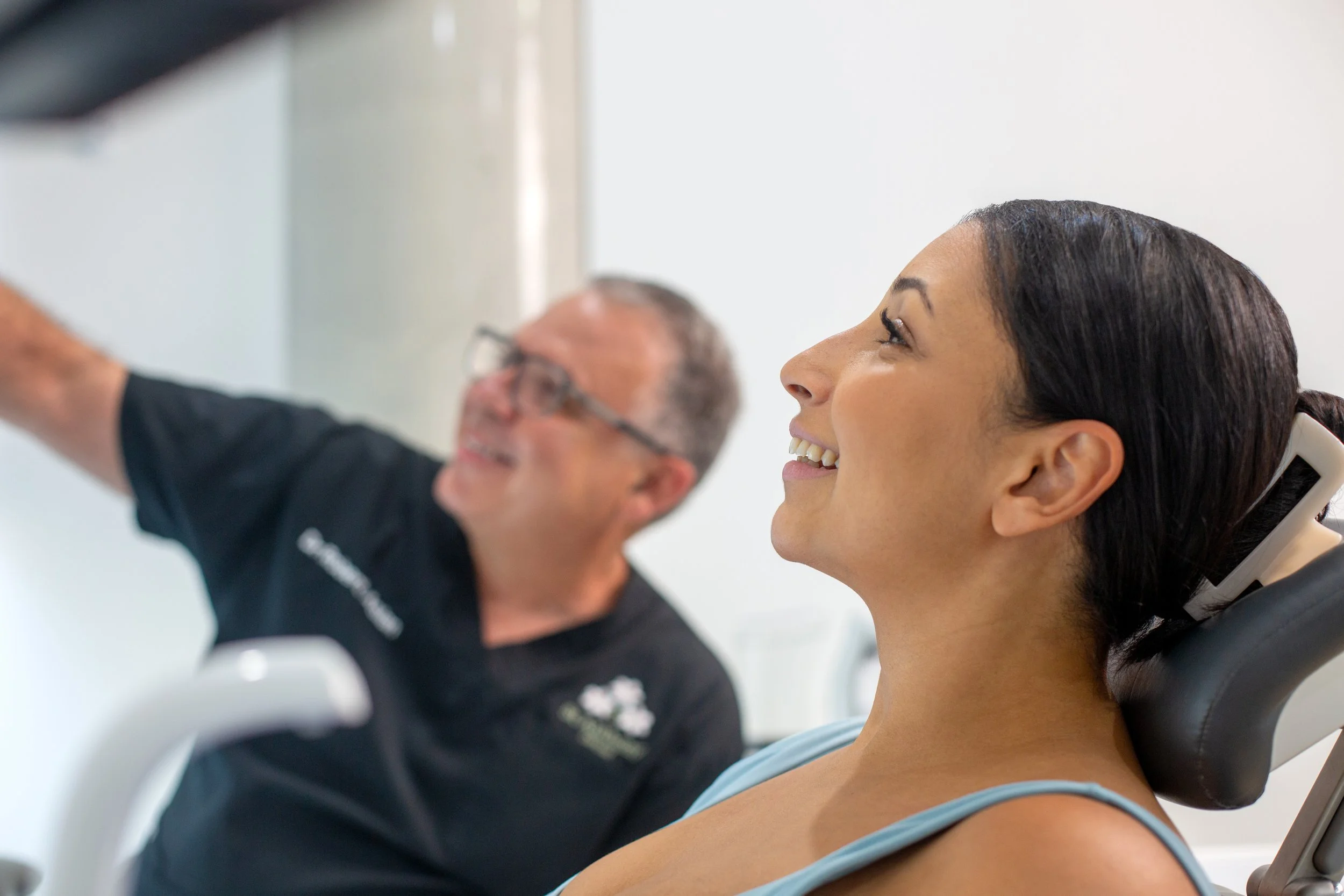
When is Root Canal Treatment Required?
Root canal treatment may be recommended for patients who experience:
Persistent toothache or sensitivity
Pain when biting or chewing
Swelling or tenderness in the gums
Darkening or discolouration of a tooth
Infection detected on dental imaging
In some cases, infection may be present even without noticeable symptoms, which is why assessment is important.

Comfort-Focused, Precise Care
At St Anthony Dental, we understand that root canal treatment can feel intimidating. Our approach is designed to be calm, thorough, and as comfortable as possible.
We take the time to:
Diagnose the cause of discomfort accurately
Explain the condition and treatment clearly
Use modern techniques to improve comfort and precision
Focus on preserving your natural tooth wherever possible
Our priority is to relieve pain while supporting long-term oral health.

Your Root Canal Treatment Journey
Assessment & Diagnosis
We examine the tooth, assess symptoms, and use imaging to confirm the diagnosis.
Comfort Measures
Local anaesthetic is used to ensure treatment is performed comfortably.Removal of Infection
Infected tissue is carefully removed from within the tooth.Cleaning & Sealing
The internal space is cleaned, disinfected, and sealed to prevent reinfection.Restoration of the Tooth
A filling or crown may be recommended to restore strength and function.
Each step is explained so you know what to expect throughout treatment.
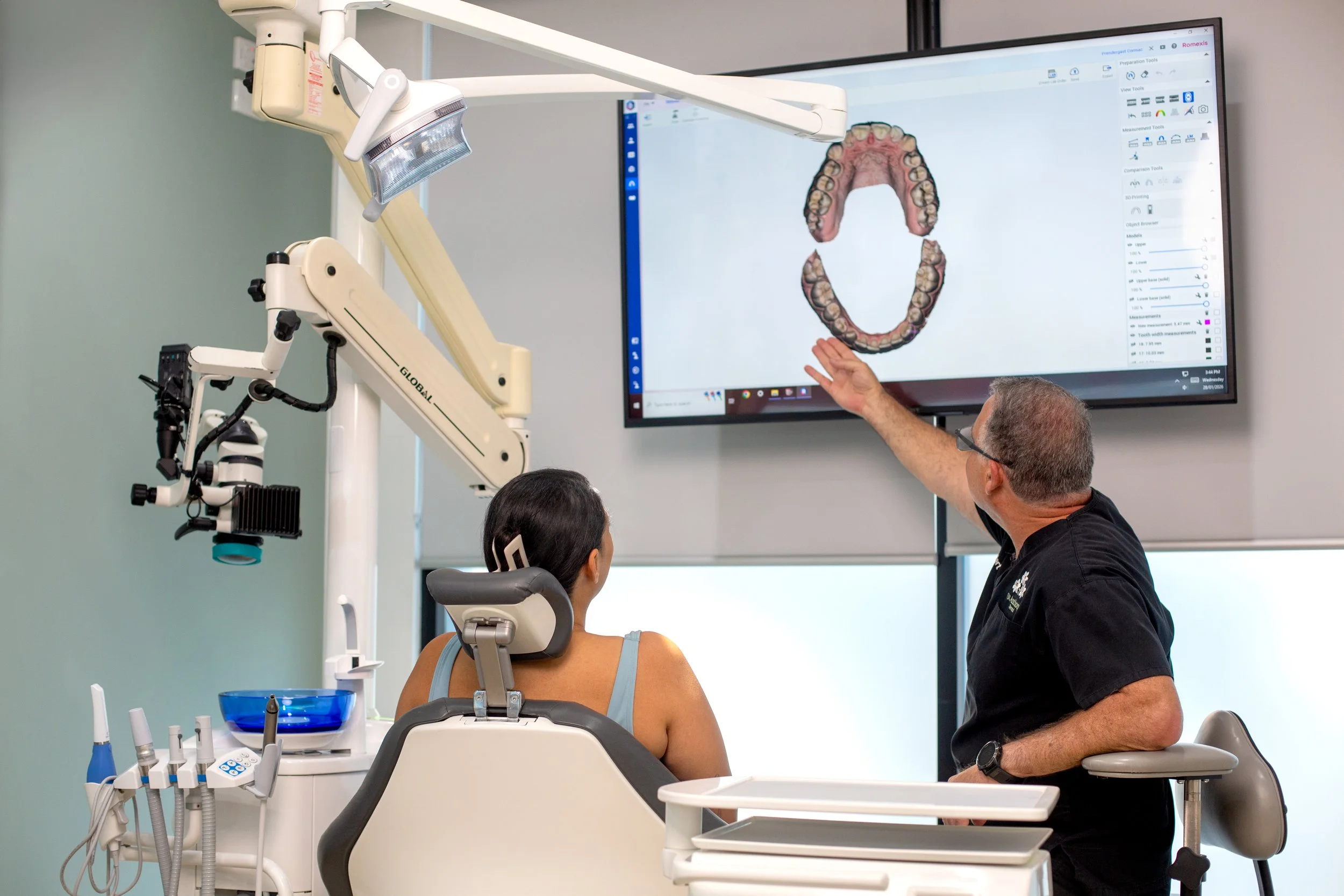
Keeping your natural tooth where possible helps:
Maintain normal biting and chewing function
Prevent neighbouring teeth from shifting
Preserve jawbone health
Avoid more complex replacement treatments
Root canal treatment allows many teeth to remain functional and comfortable for years to come.
Why Saving the Tooth Matters
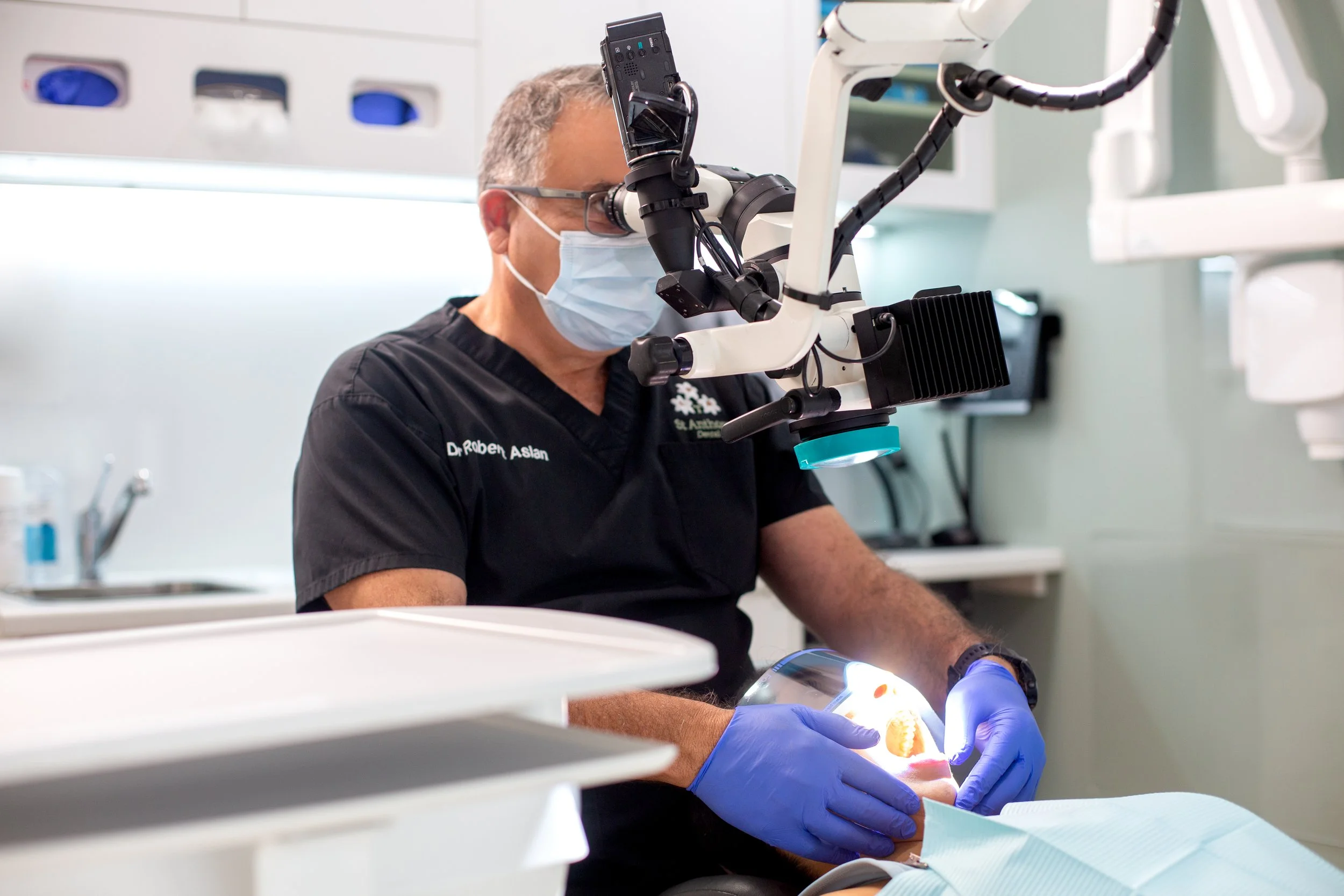
Frequently Asked Questions
-
Modern root canal treatment is performed under local anaesthetic and is typically no more uncomfortable than a routine dental procedure. Most patients find it relieves pain rather than causes it.
-
Treatment time varies depending on the tooth and extent of infection. Some cases are completed in one visit, while others may require more than one appointment.
-
In many cases, a crown is recommended after root canal treatment to restore strength and protect the tooth from fracture. We’ll discuss this with you based on your individual situation.
-
Delaying treatment can allow infection to progress, potentially leading to increased pain, swelling, or the need for tooth extraction. Early treatment is usually simpler and more predictable.
-
The main alternative is tooth extraction. Where possible, we aim to preserve the natural tooth, as this often provides the best long-term outcome.
-
With proper restoration, good oral hygiene, and regular dental care, a root-canal-treated tooth can last many years.
-
While root canal treatment is highly effective, no treatment is completely risk-free. Proper cleaning, sealing, and restoration significantly reduce the chance of reinfection. Maintaining good oral hygiene and attending regular dental check-ups also helps protect the treated tooth long-term.