
Long-term tooth replacements planned with precision, care, and confidence.
Dental implants offer a stable, natural-feeling solution for missing or damaged teeth. Using advanced digital planning and guided technology, we’re able to place implants accurately and predictably — supporting comfort, function, and long-term outcomes.
Dental Implants
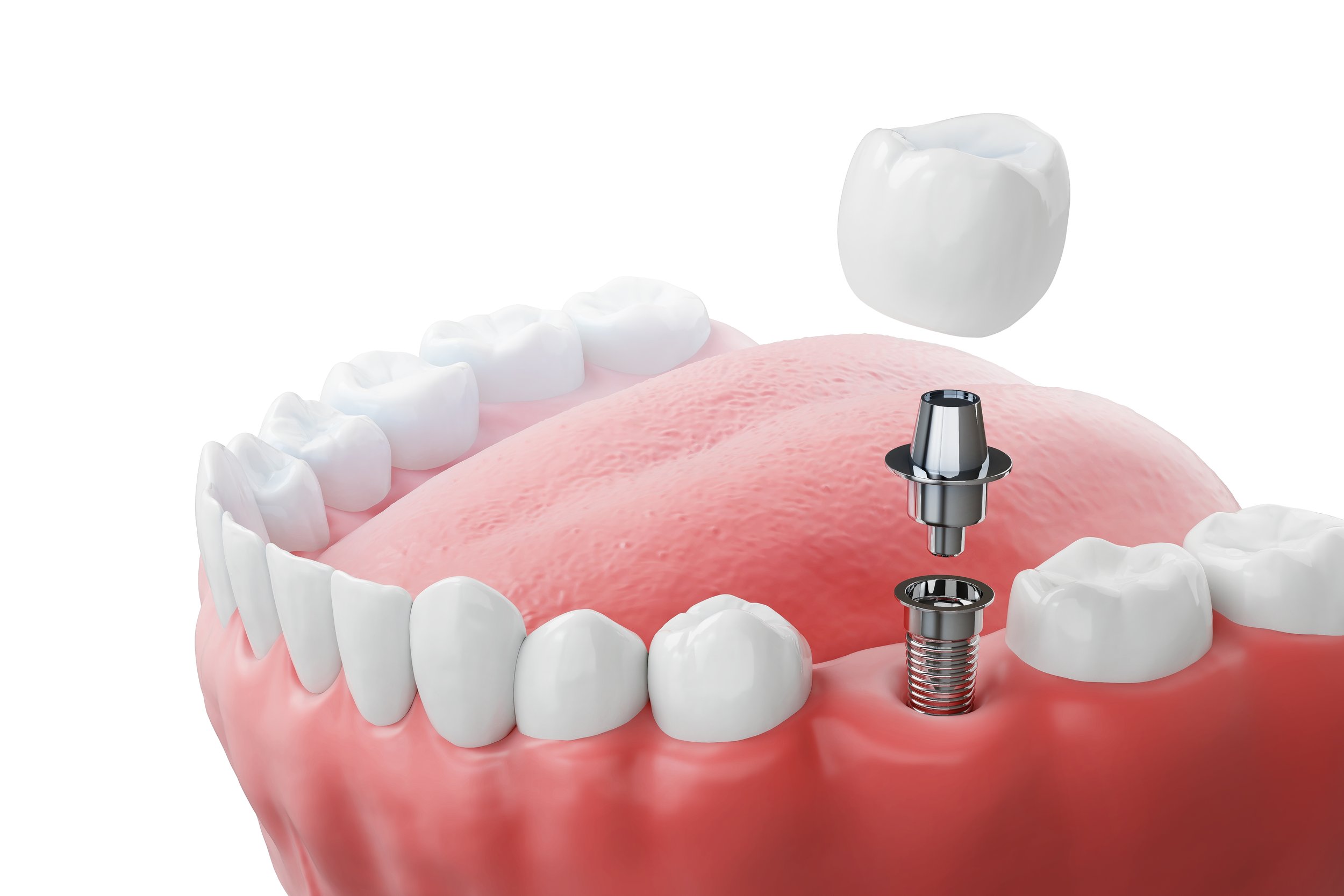
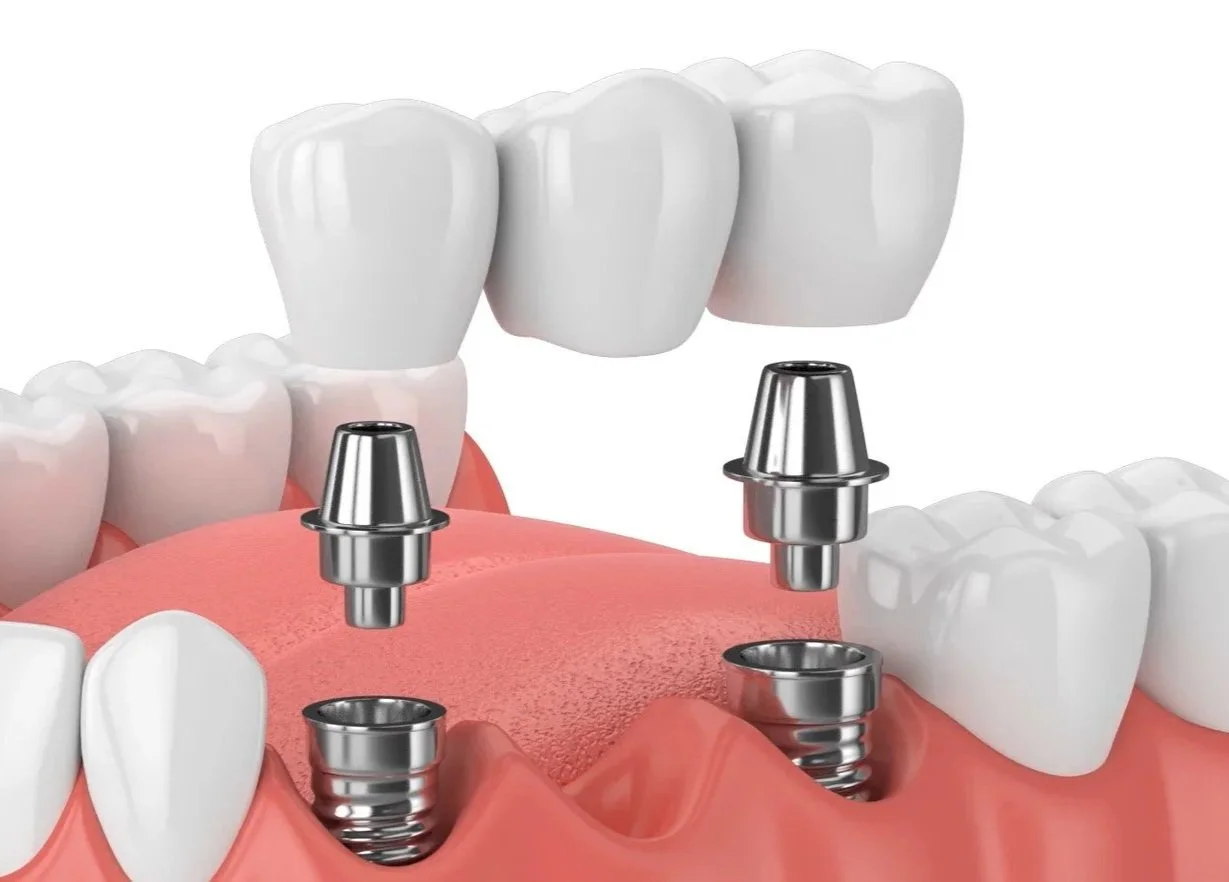
Dental implants are titanium posts placed into the jawbone to replace the root of a missing tooth. Once integrated, they provide a strong foundation for a crown, bridge, or full-arch restoration.
Unlike removable options such as dentures, implants are designed to function and feel like natural teeth — helping restore confidence, comfort, and chewing ability.
A Stable, Long-Term Solution for Missing Teeth
Who May Benefit from Dental Implants?
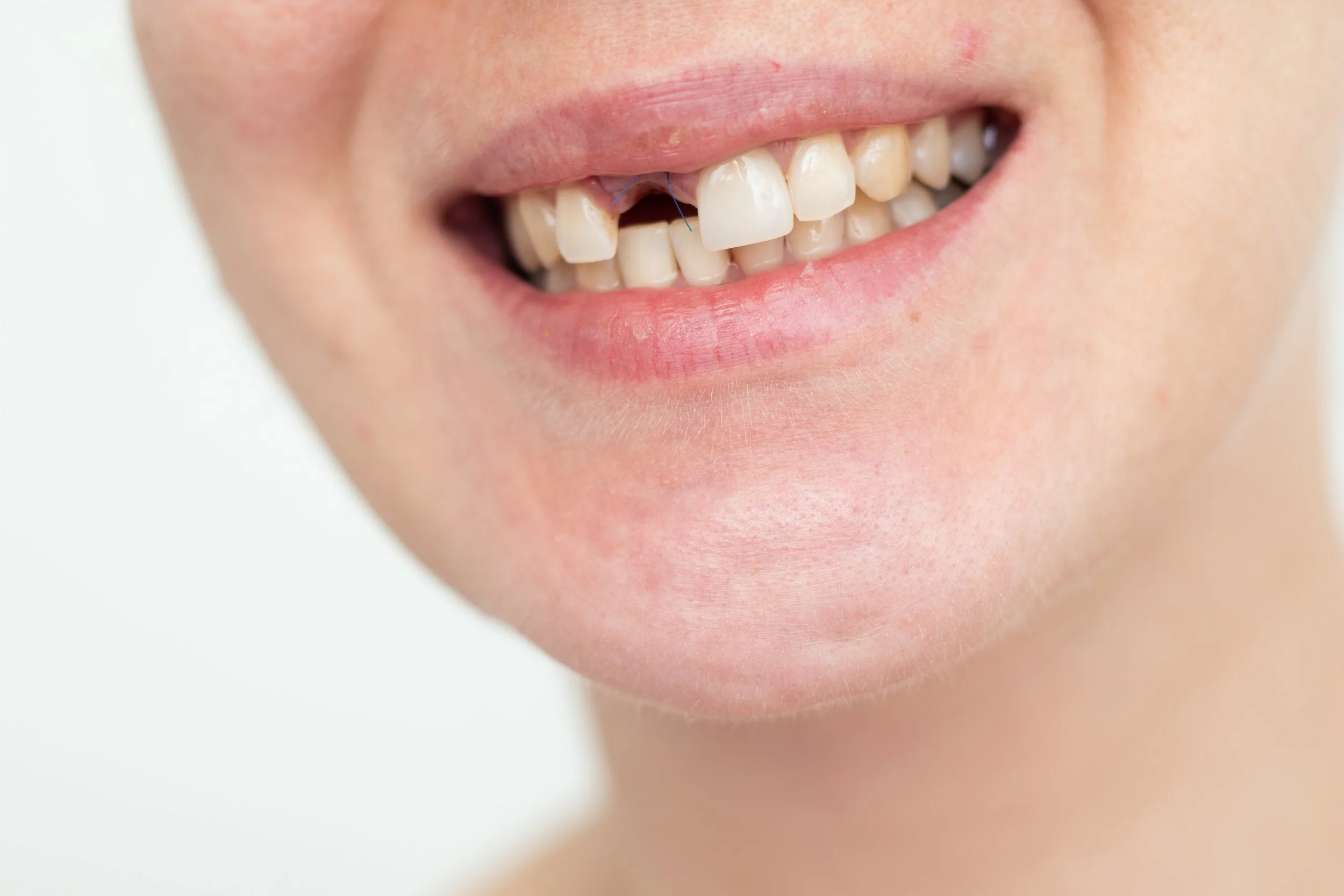
Dental implants may be suitable for patients who:
Are missing one or more teeth
Have loose, uncomfortable dentures
Want a fixed, long-term tooth replacement
Have damaged or failing teeth that cannot be saved
Are seeking improved function, stability, and confidence
Implants can be used for:
Single tooth replacement
Implant-supported bridges
Full arch restorations (replacing an entire row of teeth)
A consultation allows us to assess suitability and discuss the most appropriate option for your needs.
Carefully Planned, Digitally Guided Treatment
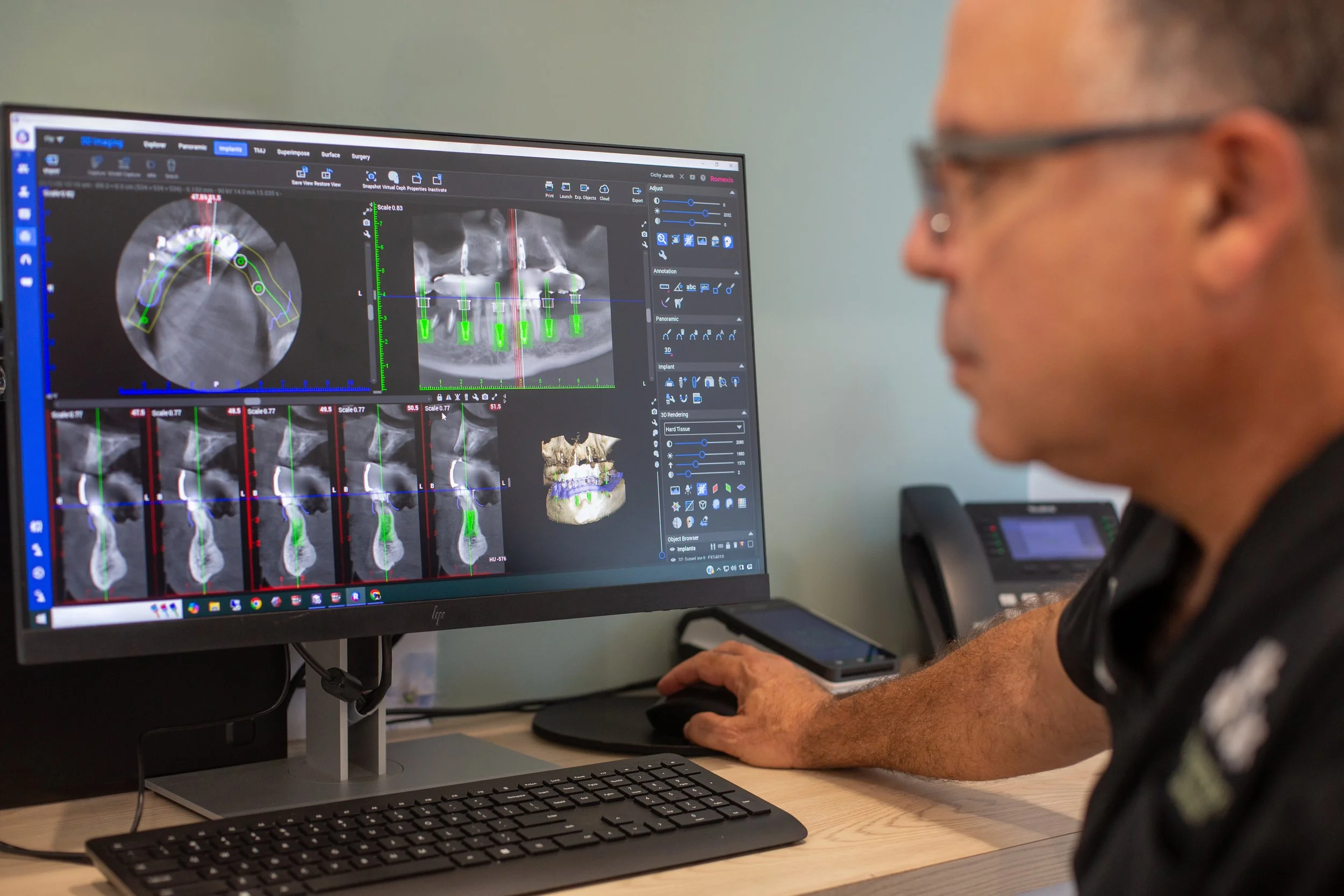
At St Anthony Dental, implant treatment begins with planning — not surgery.
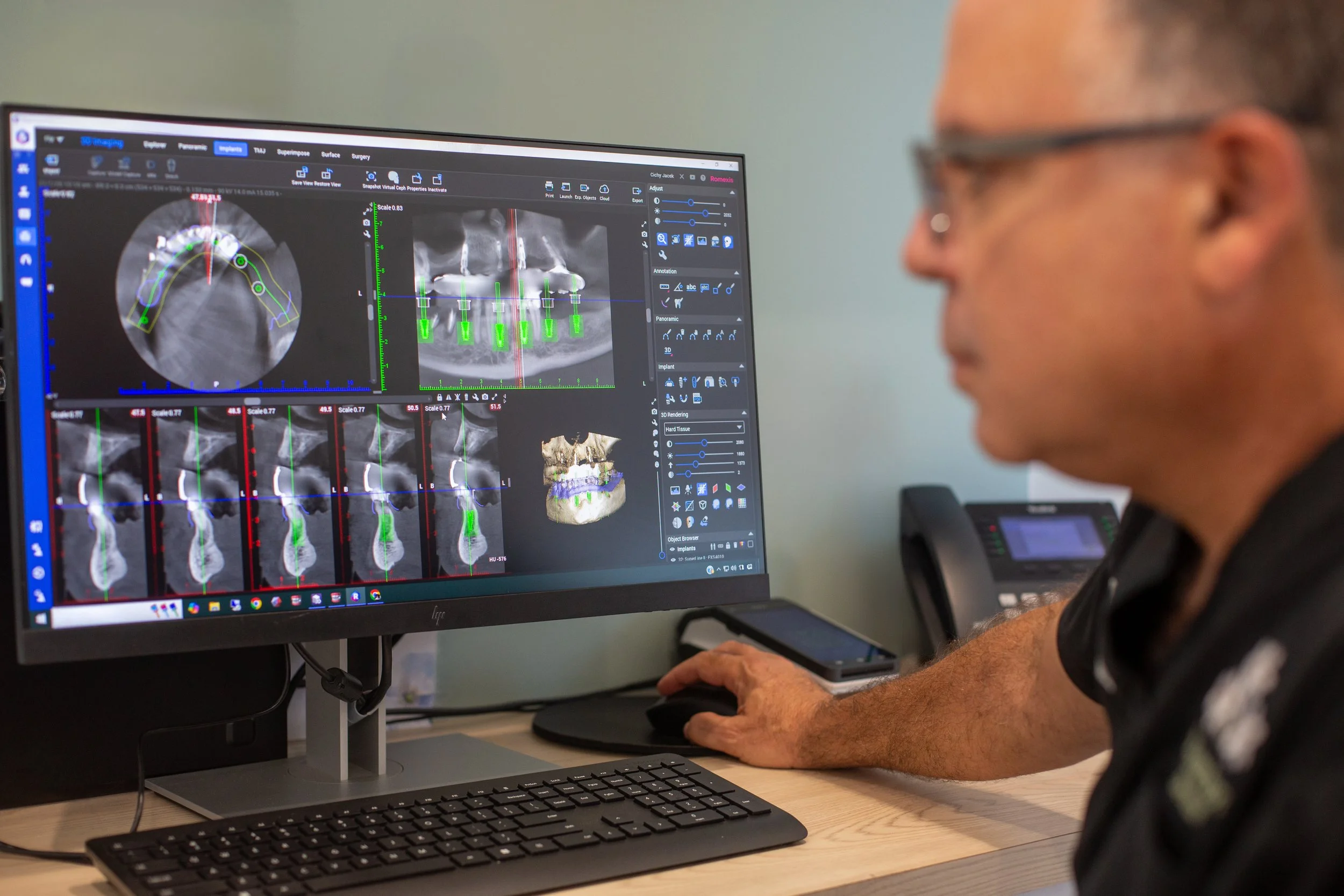
We use advanced digital technology to thoroughly assess your anatomy, bone structure, and bite before any treatment takes place. This allows us to plan implant placement with a high level of accuracy and predictability.
Our approach focuses on:
Precision and safety
Long-term stability
Clear communication
Thoughtful, unhurried care
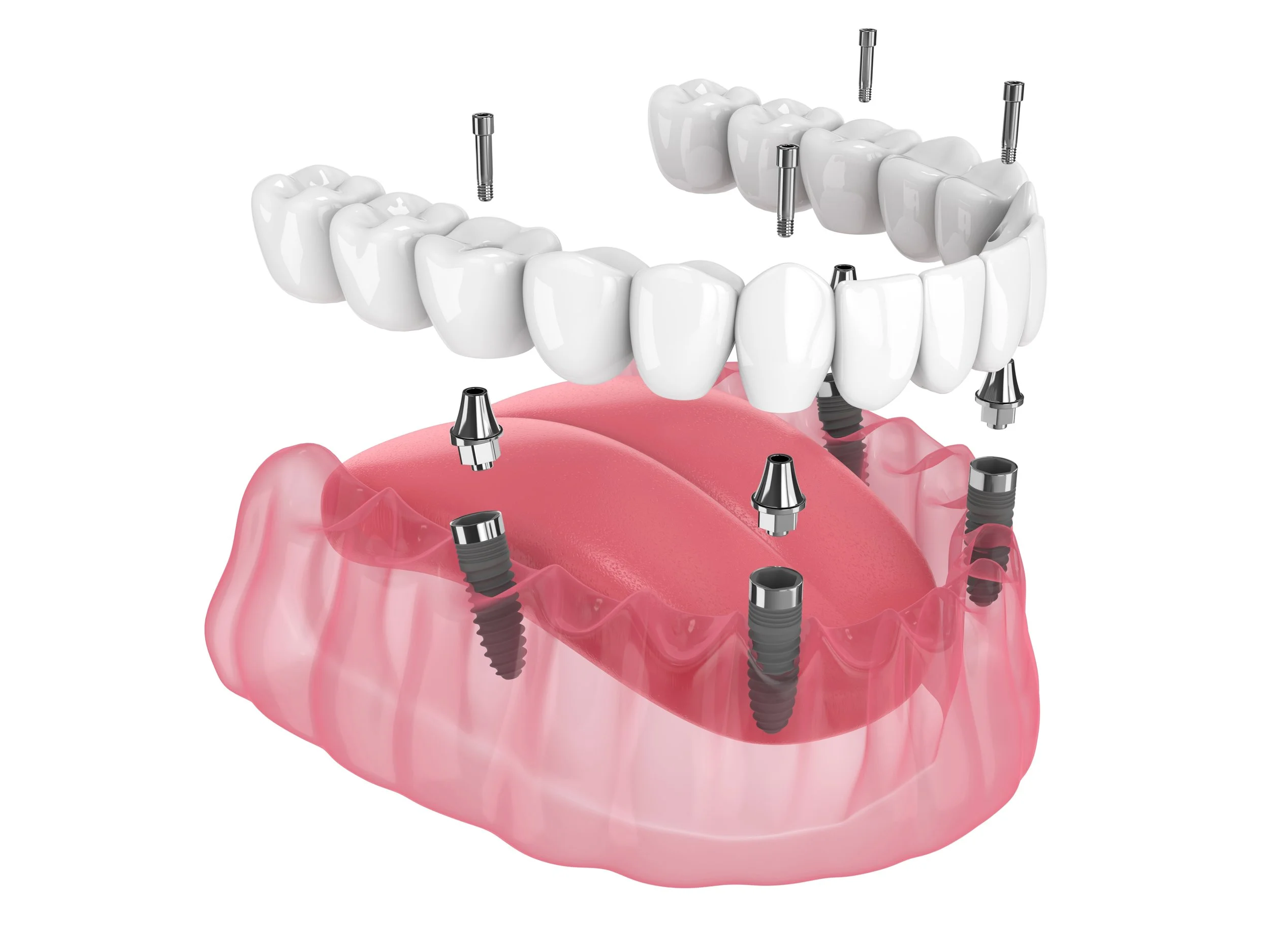
Depending on your situation, dental implants can be used to support:
Single Implant Crowns
Replacing one missing tooth with a natural-looking restoration.Implant-Supported Bridges
Replacing multiple missing teeth without relying on neighbouring teeth.Full Arch Restorations
Replacing an entire upper or lower arch of teeth using a fixed implant solution.
We’ll discuss all suitable options and guide you through the benefits of each.
Implant Options Tailored to Your Needs
Comprehensive Assessment
We assess your oral health , medical history, and goals for treatment.CBCT & 3D Digital Scanning
Advanced imaging provides a detailed view of bone, nerves, and surrounding structures, allowing us to asess your eligibility for implants.Digital Planning with Guided Technology
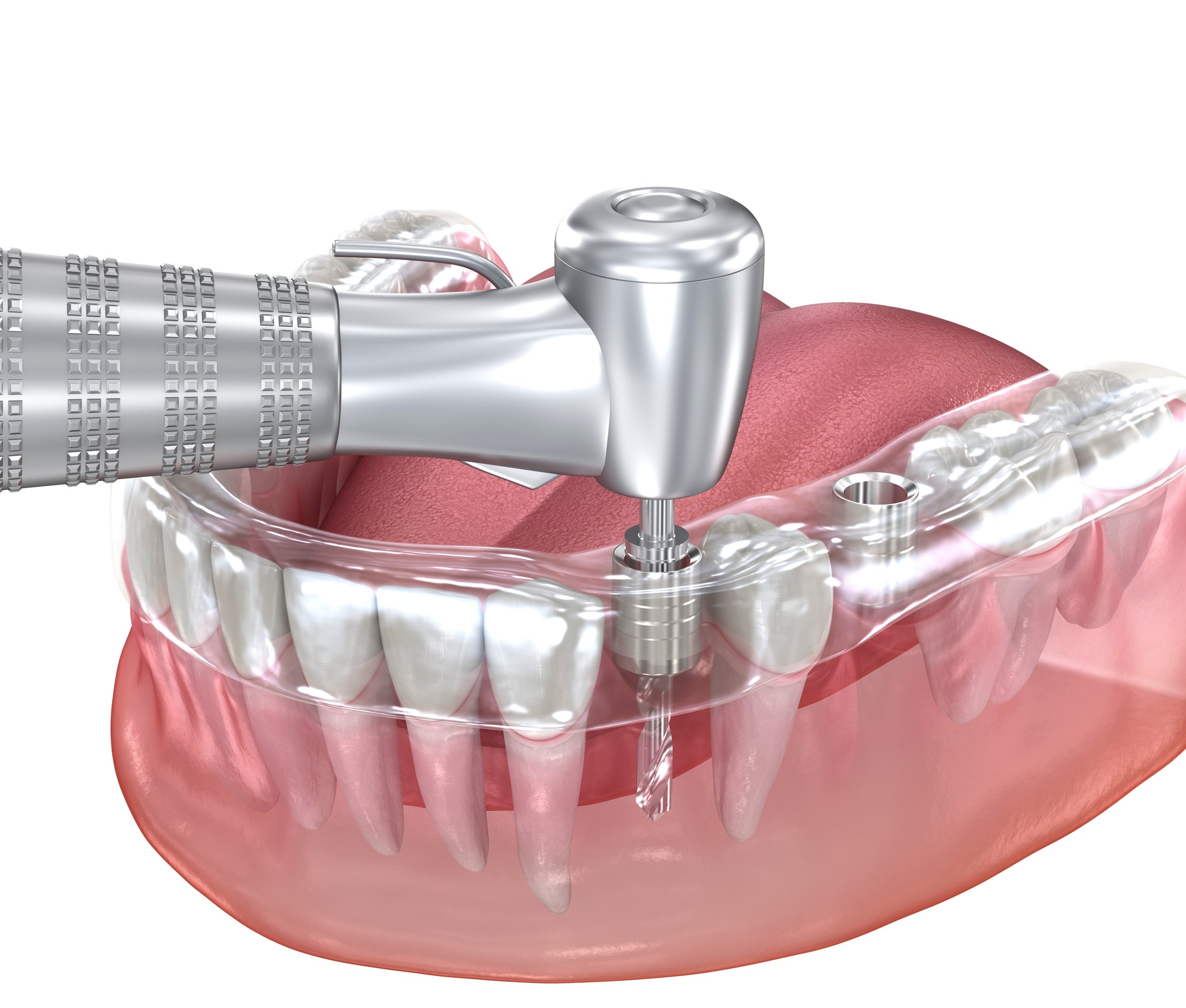
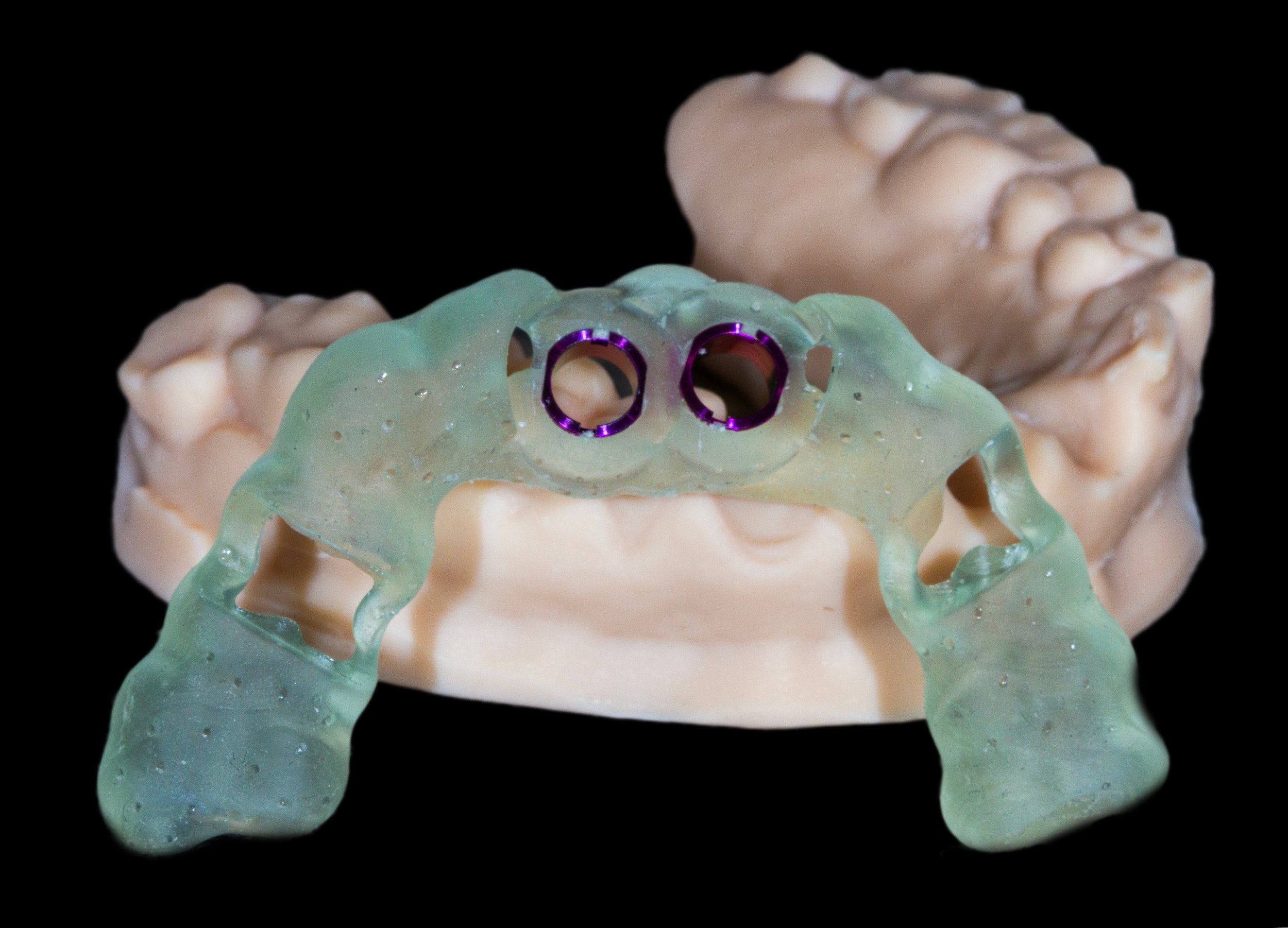
Using specialised software, implants are precisely planned and placed digitally, and a customised implant guide is fabricated using our onsite 3D printing capabilities.Guided Implant Placement
Using the custom made implant guide, the implants are precisely placed in the planned positions from the digital plan with absolute accuracy.Healing & Integration
Through a process called “Osseointegration”, time is allowed for the implant to integrate with the bone, until it becomes a part of your own biology.Final Restoration
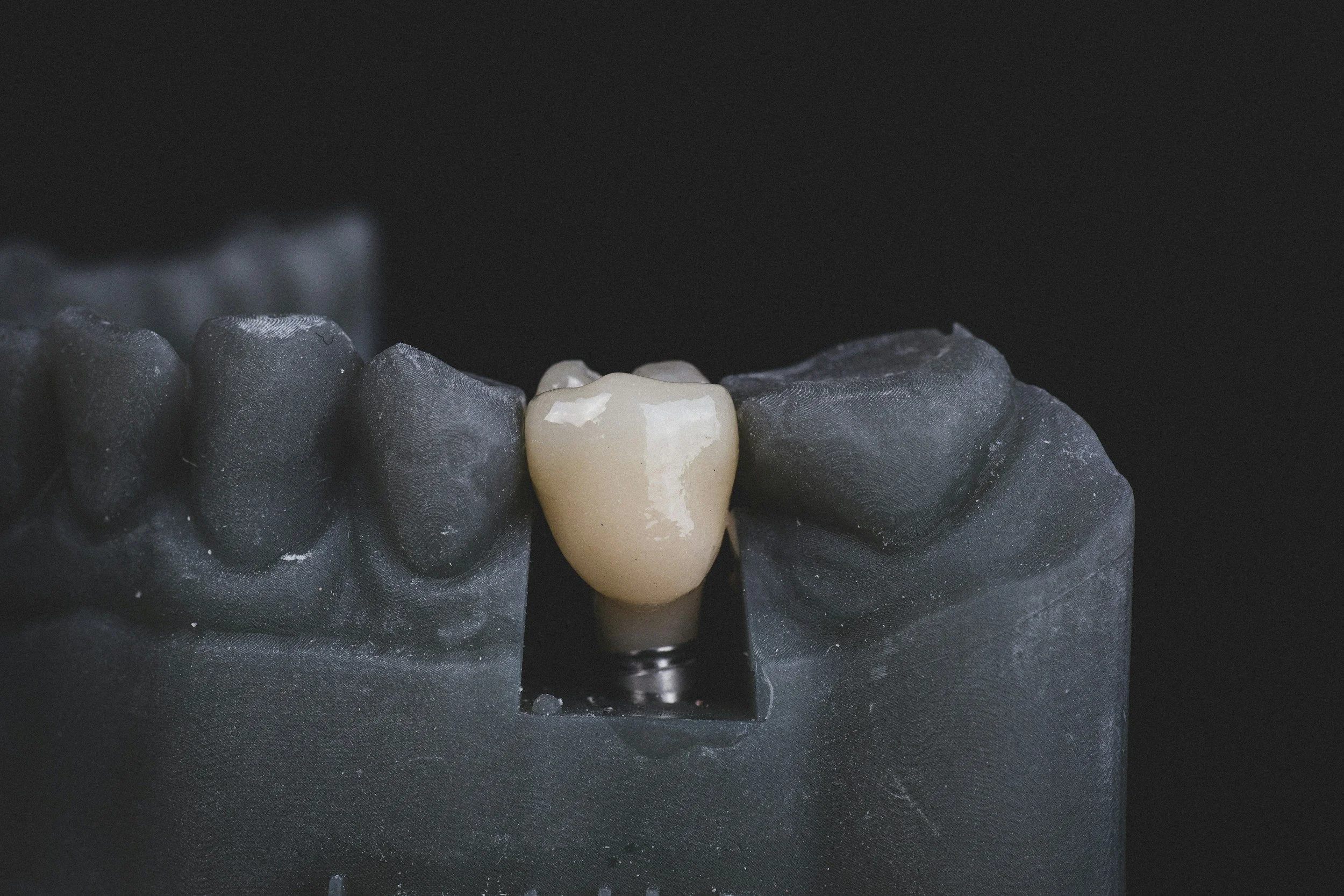
A custom crown, bridge, or full-arch restoration is digitally designed and placed to complete your natural looking smile.Each step is carefully explained so you know what to expect throughout the process.
Your Implant Treatment Journey
Precision Through Digital Planning
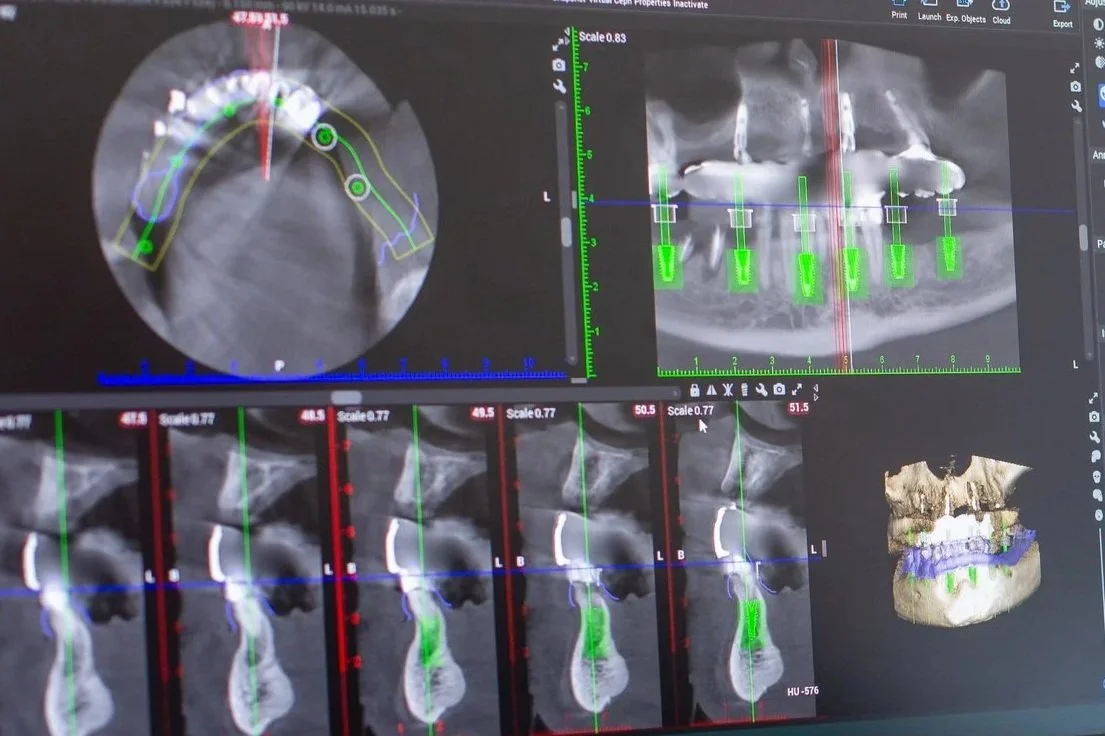
We utilise advanced CBCT imaging, 3D digital scanning, and the Planmeca Romexis system to plan implant treatment with a high level of accuracy.
Benefits of guided implant technology include:
Precise implant positioning
Enhanced safety around vital structures
Improved predictability of outcomes
Reduced guesswork during placement
Better alignment for long-term function and aesthetics
This technology allows us to plan implants virtually before placing them — supporting accuracy, efficiency, and confidence in treatment.
Frequently Asked Questions
-
Implant placement is performed with appropriate anaesthetic to ensure comfort. Most patients report minimal discomfort during recovery.
-
With proper care and regular dental visits, implants are designed to last many years and often decades.
-
Age alone is not a limiting factor. Overall health and bone quality are more important considerations.
-
If implants are not appropriate, we’ll discuss alternative options that best support your oral health.
-
The timeline varies depending on your individual treatment plan. Some cases involve a healing period before the final restoration is placed, while others may progress more quickly. We’ll outline your expected timeframe clearly during your consultation.
-
Yes. Dental implants are designed to closely mimic natural teeth in appearance and function. Once restored, they allow you to eat, speak, and smile with confidence.
-
Implants are cared for in a similar way to natural teeth. Good oral hygiene, regular dental visits, and professional cleaning help maintain both the implant and surrounding gum health over time.